
Does this device work for migraine?
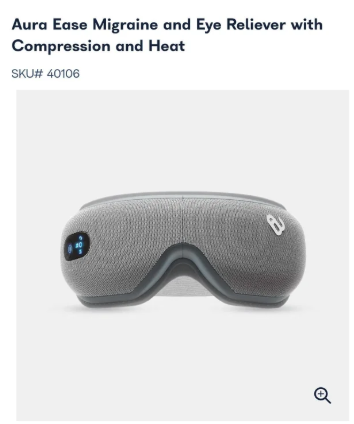
You may have seen this Aura Ease Migraine and Eye Reliever
In fact, you may have seen this on the FSA- or HSA-approved list and noted that online reviews were mixed. Without clear guidance from current medications or past providers, a user turned to the migraine community to ask:
“Does anyone have experience with this device? Is it worth it?”
—OP on r/migraine
What people found helpful
Many respondents reported that neuromodulation or stimulation-type devices (similar in concept to the one OP asked about) can reduce pain intensity during a migraine, or at least make it more tolerable. For example:
“For me… the acute session can really reduce the severity of an attack and save me from needing to take a triptan.”
Some said these devices help when used alongside medications, rather than as a replacement.
Others commented that the non-pharmaceutical nature of these devices was a benefit for them (less side effects, different route).
Several users emphasized technical/practical tweaks for better outcomes: e.g., using electrode gel, making sure the device’s sensors adhere well, using it in the correct placement, keeping session consistency.
What people found disappointing or limiting
Not every time, not for everyone: Some users said the device “sometimes” works, or works but only partially. For example:
“I’ve used my Nerivio a few times and so far it’s helped like 50% of the times. Way more effective if I can catch my migraine super early.”
“I used the device… for a year now… it’s definitely helped reduce severity but I still get attacks.”High cost / ongoing expense: Some accounted for the price of device + replacement parts (electrodes, pads, etc) as a barrier.
Usability issues: When you’re in a migraine state (sensitive to light, noise, movement), having to set up a device, stick electrodes, adjust straps/apps can be burdensome.
Adhesion/sensor limitations: For head-wear devices, sweat, skin oils, or movement can make the electrode fall off or reduce effectiveness.
Expectations versus reality: A few users said the device did something, but did not “stop” the migraine, or did not prevent it entirely. Some even returned devices after trial periods when they didn't get the hoped benefit.
Practical tips from the community
If you try one, consistency matters: doing preventative sessions (if the device supports them) may help more than only acute use.
Use electrode gel, clean skin, tape or head-band hacks to keep the electrodes on.
Try early in the attack if possible — some saw better results if they caught the migraine very early.
Check cost-effectiveness: some devices have ongoing costs (replacement pads, subscription, limited uses) so weigh that.
Manage expectations: While many found benefit, it’s rarely described as a “complete cure” in these comments. More “help with severity/functional ability” than “stop it entirely.”
Summary
The device may offer some relief, perhaps reducing the intensity or allowing more functional time during an attack. But there’s no guarantee it will eliminate the migraine or shorten it dramatically for everyone. Given the severity and duration described, devices may serve better as part of a toolkit, not the only solution. Considering cost, ongoing maintenance (electrodes/pads), ease-of-use during a debilitated migraine state, and realistic expectations will be key. If possible, trialing the device (or finding a provider who allows a demo) might help determine personal suitability before heavy investment.